Can dolphins decide to reduce their heart rate?
Have you noticed that your heart rate goes down when you hold your breath? This reduction happens in all mammals when they hold their breath when diving and has been thought to be a reflex controlled by the brain.
This decrease in the heart rate is known as the dive response, which is thought to conserve oxygen during the dive. The dive response also prevents uptake of nitrogen which helps reduce the risk of decompression sickness, or the bends.
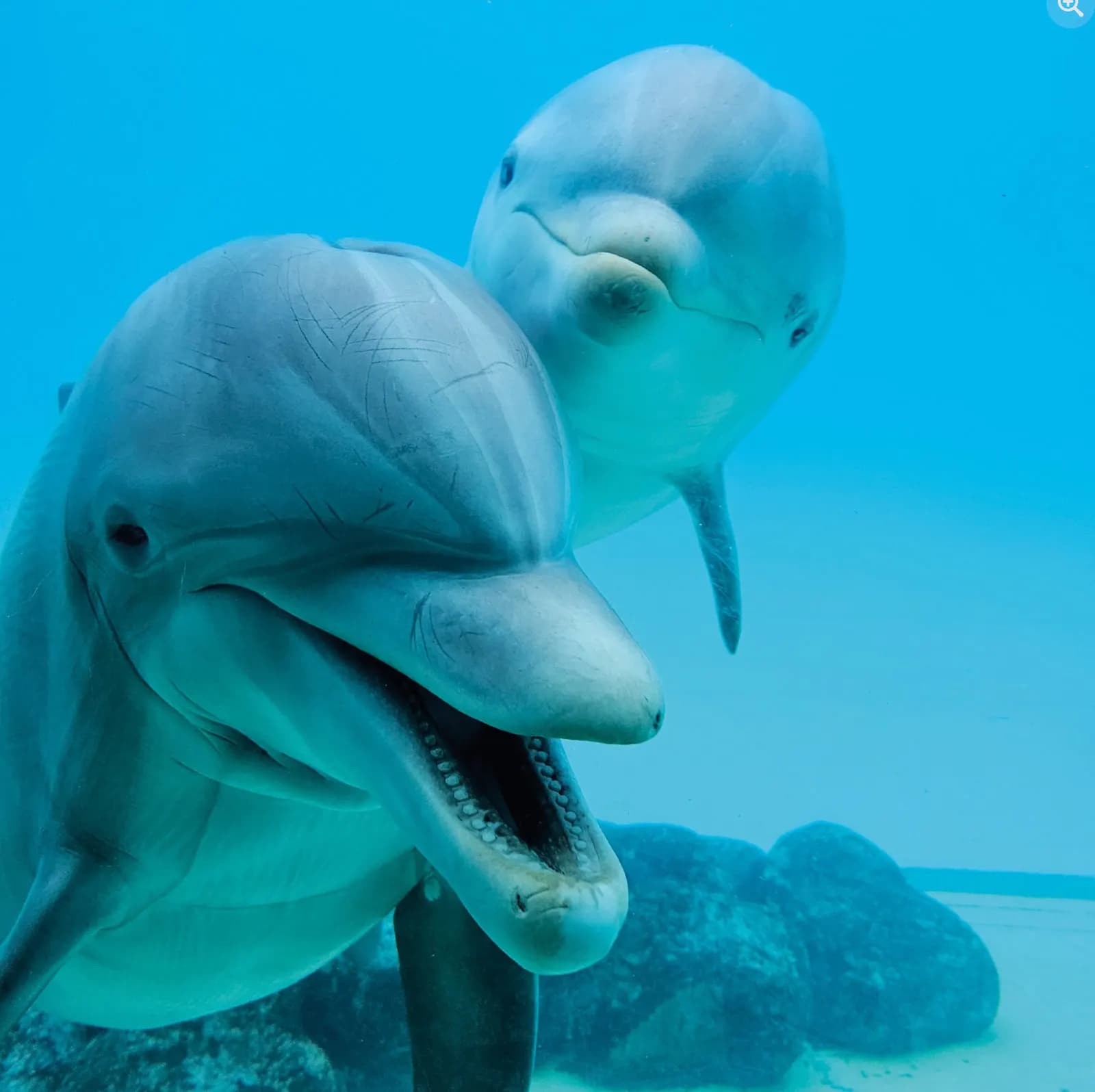
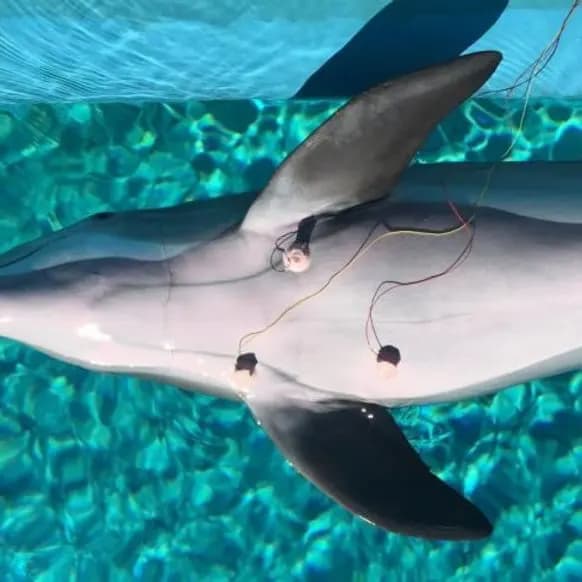
But…what about if dolphins are able to reduce their heart rate depending on the dive duration? In this OneMinuteOcean episode, Bruno Cozzi, researcher and professor at the University Padova, explains a recent study published in @Frontiersin showing that dolphins are able to vary their dive response!
The researchers suggest that this capacity helps maximize the duration that oxygen is available, and also helps explain how they can minimize uptake of nitrogen and decompression sickness risk.
We would like to thank Dr. Cozzi for participating in this new episode, the researchers and scientific institutions involved in this project, and Dolphin Quest and The Mirage for kindly providing the photos and videos for this research project.
More from the Journal
Beauval Renunciation: Fifteen Years of Activism Leave Dolphins Without Solutions
EAAM expresses deep concern over ZooParc de Beauval's decision to abandon its project to welcome dolphins affected by the closure of French facilities.
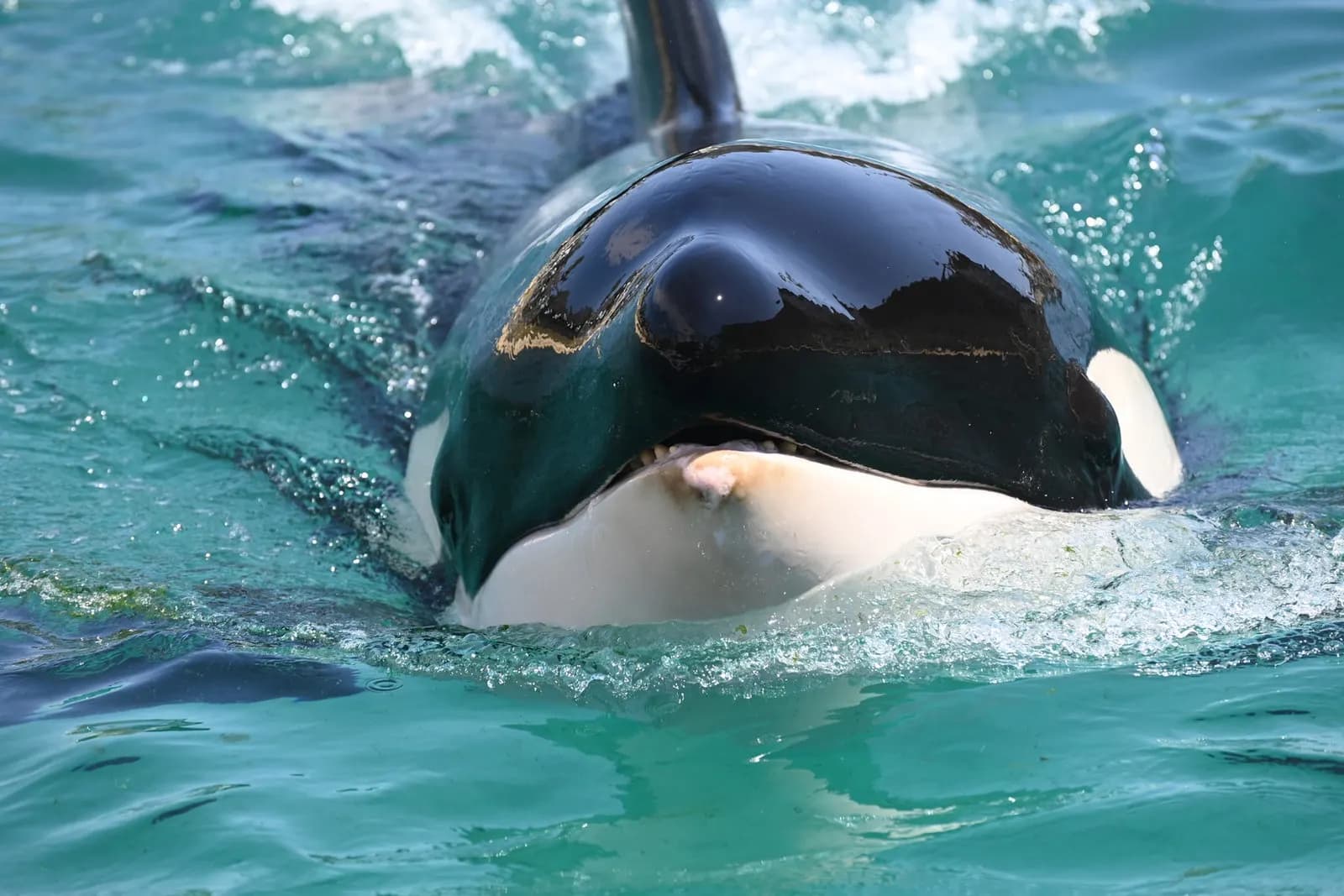
Read article →Ministerial decision on the future of the Marineland killer whales
A science based warming ignored, with serious risks for the animals.
Read article →Progress, not prohibition: ensuring dolphin welfare, science and conservation in modern institutions
The European Association for Aquatic Mammals (EAAM) wishes to raise awareness about the risks created by the current public debate around cetaceans in modern institutions.While the…
Read article →